Private Label Insights & Resources
Industry insights on private label hygiene products, sourcing strategies, and market trends.


Private Label Insights & Resources
Industry insights on private label hygiene products, sourcing strategies, and market trends.
Sourcing feminine care products is one of the more demanding categories in private label. These products touch millions of consumers every month, regulatory requirements are strict, and retail partners expect consistent quality on every order. For procurement teams building or expanding a distribution program, understanding what goes into sourcing this category is the first step toward doing it well.
So here's what matters. If you're building a distribution program in this space, you need to understand that every material choice leaves a trail. Every supplier relationship shapes your brand reputation. And every sourcing decision should be grounded in what the product does for the end user, not just what it costs to manufacture.
Before you contact a single manufacturer, you need to know what you're solving for. The feminine care market isn't monolithic. Some retail channels demand organic cotton and zero fragrances. Others prioritize competitive pricing and reliable availability. A growing segment requires reusable options or biodegradable materials that meet sustainability mandates.
Strategic procurement teams don't guess. They analyze market intelligence, review category performance data, and track regional purchasing patterns. Regulatory frameworks shift by country. Cultural norms dictate product formats. If you're sourcing without this context, you're building blind.
Once you know what you need, the search begins. This isn't about searching commodity marketplaces and picking the vendor with the lowest threshold. You're looking for partners who can prove quality, scale with institutional demand, and maintain compliance across jurisdictions.
Start by vetting certifications. ISO standards, GMP compliance, and third-party audits tell you whether a factory takes quality seriously. Request production samples across multiple batches. Run your own validation tests. Check references from other institutional buyers they supply. And if sustainability matters to your positioning, examine their material sourcing and waste management practices.
This vetting work takes time, relationships, and category knowledge. It's also the core of what an experienced import partner brings: an established network of qualified facilities, so you're choosing among proven options instead of screening from scratch.
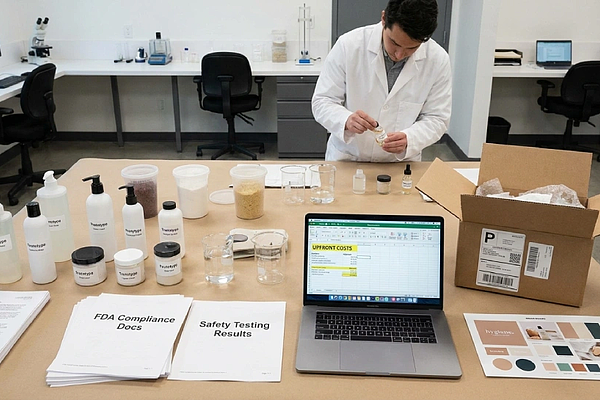
A factory might look excellent on paper. But until you've tested their output, you don't know what you're actually getting. Feminine care products must meet strict safety and performance benchmarks. Absorbency, skin sensitivity, and structural integrity under stress are not optional features. They're the baseline.
Run laboratory testing for harmful chemicals. Check for dioxins, synthetic fragrances, and dyes that can trigger reactions. Verify that materials match what's listed in the specification sheets. And if you're marketing a product as hypoallergenic or dermatologist-tested, ensure those claims hold up under regulatory scrutiny. The FDA and international regulators don't accept misleading labels.
An import partner with established manufacturing relationships manages this validation as part of the program, reviewing specifications, formulations, and labeling claims before production, so issues are caught on paper rather than in market.
You've qualified a supplier. The samples passed validation. Now it's time to negotiate terms that keep your distribution pipeline running without squeezing your partner into unsustainable margins. Volume commitments, lead times, payment schedules, and quality guarantees all need to be documented clearly.
Don't focus solely on unit cost. A supplier operating on razor-thin margins will cut corners when pressure hits. Build in flexibility for demand variations across your distribution network. Establish clear protocols for defect resolution. And ensure there's mutual understanding of what happens if regulatory standards change or raw material costs spike.
When you work through an import partner, these terms are built into the program structure, with volume, lead times, and quality remedies negotiated on your behalf by a team that manages these agreements every day.
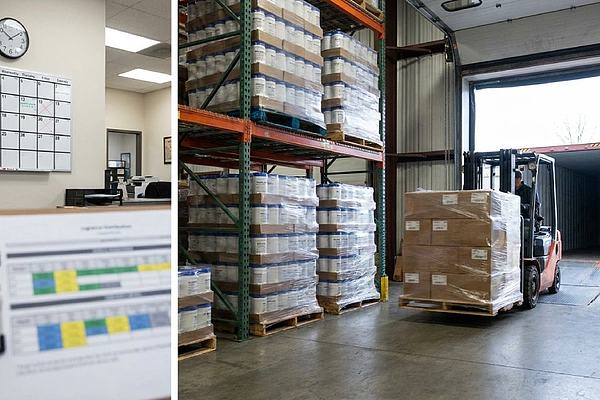
Supply chain management in feminine care isn't just logistics. It's about maintaining product integrity from factory floor to retail shelf. That means coordinating container shipments, tracking inventory across distribution centers, and responding efficiently when demand shifts or disruptions hit.
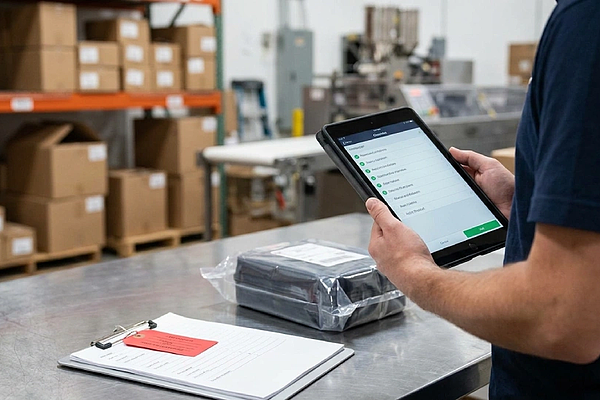
Deploy real-time tracking systems. Forecast demand using historical data and seasonal trends. And if you're distributing across borders, understand customs requirements and tariff classifications. A container stuck in port because of documentation errors is a revenue killer and a distribution nightmare.
This is where a full-service import partner earns its place: coordinating freight contracts, customs documentation, and delivery schedules end to end, so your team manages one relationship instead of five vendors.
Retail partners and end consumers want to know where their tampons and sanitary napkins come from. They're reviewing ingredient lists. They're asking about labor practices. And they're calling out brands that make vague claims without proof.
If you're serious about building institutional trust, publish your sourcing standards. Display certifications. And if something goes wrong, whether a recall, a quality issue, or a labor dispute at a facility, address it transparently. Silence erodes credibility faster than a quality failure ever could.
The feminine care market isn't static. New materials emerge. Consumer preferences shift. Regulations tighten. If your sourcing strategy doesn't evolve, you'll fall behind competitors who move faster and strategize smarter.
A good sourcing partner tracks these shifts for you, bringing new materials, formats, and compliance updates to the table as they become relevant to your program.
Finding the right manufacturing partners isn't the finish line. It's the foundation. Every decision you make upstream affects what happens at retail. A well-sourced product performs consistently. A poorly sourced one damages your reputation regardless of marketing investment.
At Tradis Inc., we've built our reputation over 40+ years as a global sourcing and import partner for private label hygiene products. We understand that sourcing feminine intimate wipes, maternity pads, and other feminine care products is as much about values and quality as it is about cost. The difference between struggling with returns and compliance issues versus building loyal distribution partnerships and scaling profitably isn't luck. It's discipline. And it starts with a manufacturing partner who delivers on every commitment.
Our expertise extends across high-volume hygiene categories, including pre-moistened wet wipes, baby care, and incontinence care product lines, ensuring you have a comprehensive sourcing solution for your entire hygiene portfolio.
We know that sourcing feminine care products is about more than just numbers. It's about trust, transparency, and delivering quality your customers can count on. If you're ready to elevate your sourcing strategy and want a partner who understands the stakes, let's talk. Call us at 305-653-8141 or contact Tradis today to start the conversation about how we can help your distribution program grow with confidence.

August 14, 2026

July 31, 2026
Share your product requirements, and our team will follow up.
CONTACT US
Site by